
5 Ways to Understand Vacancy Costs in 2026
Vacancy costs are the total financial impact of an unoccupied rental—not just the monthly rent you miss. They can include utilities, insurance, lawn care, marketing, repairs, cleaning, turnover labor, financing, and lost momentum. Measuring these costs helps Kansas City rental owners price, market, and lease homes more profitably.
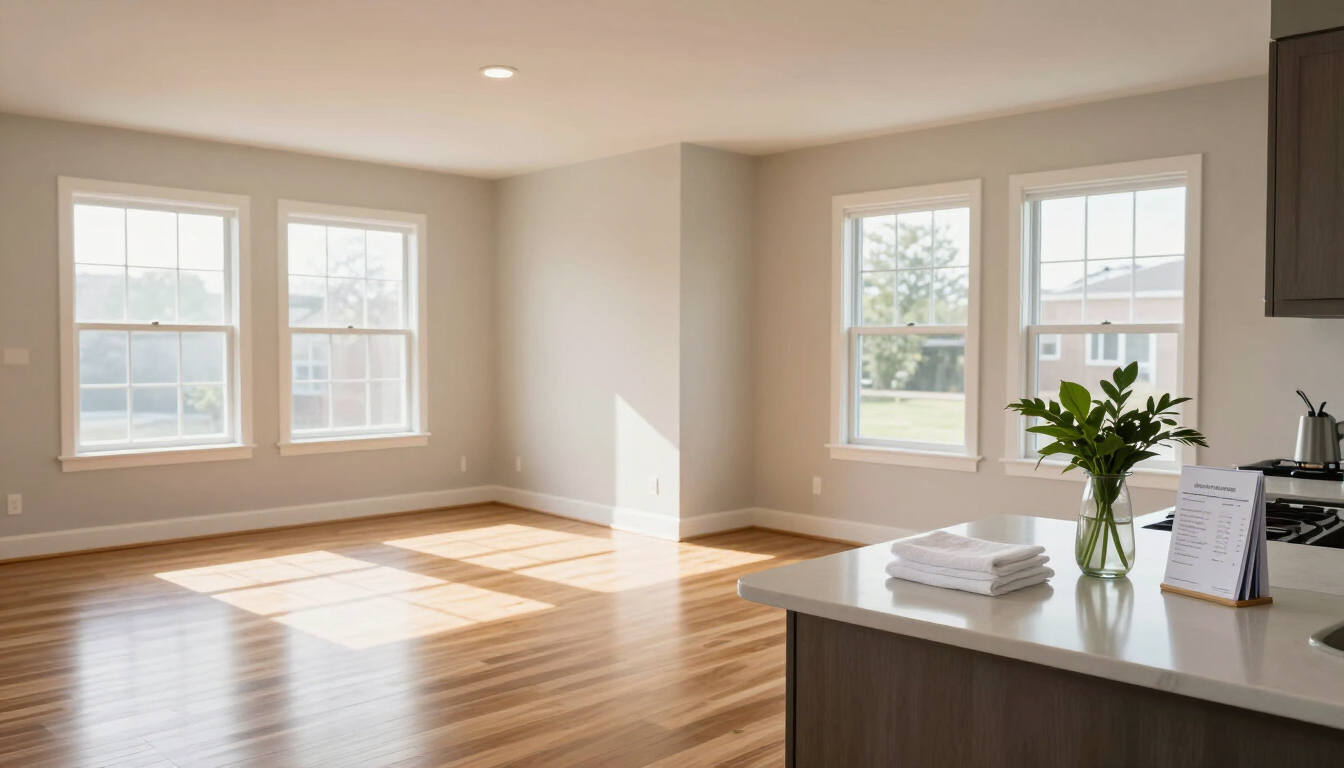
What are vacancy costs beyond lost rent?
The most visible vacancy cost is lost rental income. If a home normally rents for $1,800 per month, a 30-day vacancy appears to cost $1,800. In practice, the total can be higher because the property may continue generating expenses while producing no rent.
Common vacancy costs include:
- Lost rent during the vacant period
- Utilities, lawn care, snow removal, and security monitoring
- Cleaning, painting, repairs, and other turnover work
- Advertising, showing, application, and leasing expenses
- Mortgage interest, property taxes, insurance, and association dues
The exact amount depends on the home, lease-up process, local demand, and how quickly decisions are made. For an owner, the useful question is not simply, “How much rent was missed?” It is, “What did this vacancy cost from move-out to the next collected rent?”
How do you calculate the true cost of a vacancy?
Use a simple vacancy cost formula:
Total vacancy cost = lost rent + ongoing expenses + turnover expenses + leasing expenses + opportunity cost
For a practical estimate, follow these steps:
- Calculate daily rent. Divide monthly rent by 30. A $1,800 rental produces an estimated daily rent of $60.
- Measure the vacancy period. Count the days from the prior tenant’s move-out date through the day before the new lease begins.
- Add ongoing property expenses. Include utilities, landscaping, snow removal, insurance, taxes, and financing.
- Add turnover and leasing costs. Include repairs, cleaning, paint, photography, listing fees, showings, and screening.
- Compare the total with the cost of faster leasing. A small improvement in marketing or coordination may prevent a much larger loss.
For example, 21 vacant days at $60 per day equals $1,260 in lost rent. Add $180 for utilities and lawn care, $750 for turnover work, and $250 for leasing expenses. The estimated vacancy cost is $2,440—not $1,260.
Keep a property-level record of these figures. Over time, the data can reveal whether the main issue is pricing, condition, response time, tenant retention, or the leasing process.
Five costs owners often overlook
1. Turnover expenses
A move-out commonly triggers cleaning, touch-up painting, carpet treatment, minor repairs, lock changes, and trash removal. These expenses may occur before the home can be photographed or shown.
Preventive maintenance and clear move-out expectations can reduce the bill, but turnover is still a normal ownership cost. The goal is to manage it efficiently, not assume it will be zero.
2. Utility and exterior maintenance bills
Vacant homes still need basic services. Electricity may be required for heating, cooling, lighting, and security systems. Water may be necessary for cleaning or preventing plumbing issues. Lawn care, snow removal, and pest control may also continue.
These costs are easy to miss because they arrive as ordinary monthly bills. Track them separately during vacancy so the total cost is visible.
3. Marketing and leasing labor
A rental may require professional photography, online listings, showing coordination, applicant communication, screening, lease preparation, and move-in scheduling. Even when there is no separate invoice, owner time has economic value.
A slow response to inquiries can also create a hidden cost. Prospective renters often contact several properties at once, so delayed replies may reduce showings and extend the vacancy.
4. Financing and carrying costs
Mortgage payments do not pause when rent does. Interest, taxes, insurance, association dues, and other carrying costs continue while the property is empty.
Principal payments build equity, but they still affect monthly cash flow. Include the full payment in a cash-flow review, then separate principal from true operating expenses if you are analyzing investment returns.
5. Opportunity cost and risk
An empty home may miss a strong applicant, a seasonal demand window, or an opportunity to reinvest cash elsewhere. Vacancy can also increase risks such as unnoticed leaks, frozen pipes, unauthorized entry, or deferred maintenance.
These costs are harder to measure, but they explain why fast, well-qualified leasing is usually more valuable than simply accepting the first applicant or the highest advertised rent.

Does a higher asking rent reduce or increase vacancy costs?
A higher asking rent can increase vacancy costs if it extends the marketing period beyond what the market supports. For example, collecting $100 more per month is not beneficial if the price causes the home to sit empty for several additional weeks.
Consider a simple comparison:
- Option A: Rent at $1,800 and lease in 10 days
- Option B: Advertise at $1,900 and lease in 35 days
The extra $100 may look attractive, but Option B loses approximately 25 additional days of rent. At $1,800 per month, that is about $1,500 in additional lost income before considering other expenses.
Pricing should reflect comparable homes, condition, seasonality, location, and current renter demand. A rental analysis can help owners compare expected rent with probable days on market. See the Rental Analysis page for more information.
How can owners reduce vacancy costs?
Reducing vacancy costs starts before the tenant moves out. Strong operations create more time to plan, market, and complete turnover work.
Useful practices include:
- Ask about renewal intentions early enough to plan for either outcome.
- Schedule inspections and vendors before the home is fully vacant when possible.
- Prepare a repeatable turnover checklist for cleaning, repairs, keys, utilities, and photos.
- Use accurate pricing based on current comparable rentals rather than outdated assumptions.
- Respond quickly to inquiries and make showings easy to schedule.
Tenant retention can be especially valuable. Avoiding one turnover may save cleaning, repair, marketing, and several days of lost rent. However, retention should not mean keeping rent artificially low or overlooking lease compliance. The objective is a stable, well-managed tenancy.
Owners can also compare the cost of self-management with professional coordination. Review the Services page or Management Fees page to understand how leasing and ongoing management support may fit the property’s economics.
A practical vacancy-cost worksheet
Use this checklist for each vacant property:
| Category | Calculation or question | |---|---| | Lost rent | Daily rent × vacant days | | Utilities | What did the property use while empty? | | Exterior care | Were lawn, snow, or pest services required? | | Turnover | What did cleaning, repairs, paint, and supplies cost? | | Leasing | What did marketing, showings, screening, and setup require? | | Carrying costs | Which mortgage, tax, insurance, or association costs continued? |
Record the estimated cost before the home is listed, then replace estimates with actual numbers after lease-up. This creates a more accurate benchmark for future pricing and turnover planning.
When should owners get help with vacancy management?
Professional help may be worthwhile when an owner lives outside the area, manages multiple properties, has limited time, or struggles to coordinate vendors and applicants. It can also help when a property needs a clear leasing strategy rather than a quick listing.
A local manager can coordinate the move-out process, assess condition, recommend market-supported pricing, arrange repairs, market the home, screen applicants, and keep the owner informed. Out-of-state owners may find this especially useful; see Out-of-State Owners for relevant management considerations.
The right choice depends on expected savings, service quality, communication, and the property’s cash flow. Compare the complete cost of management with the potential cost of delayed leasing, repeated turnover mistakes, and owner time.
Key takeaways
Vacancy costs include much more than unpaid rent. Utilities, maintenance, turnover, leasing work, financing, and risk all affect the final result. Calculate the daily rent, count every vacant day, and add the expenses that continue while the home is empty. Price from current market evidence rather than chasing the highest possible asking rent. Finally, use property-level records to identify the changes that shorten vacancy without sacrificing applicant quality. Owners can start by reviewing one recent vacancy, calculating its full cost, and using that benchmark to improve the next lease-up.
Recent Posts